| Pictures on Flickr can be found here: Central of Peru Railway https://www.flickr.com/photos/colinchurcher/albums/72157607077711507 Cerro de Pasco Railway https://www.flickr.com/photos/colinchurcher/albums/72157607089841645 Cusco to Machu Picchu https://www.flickr.com/photos/colinchurcher/albums/72157607081685807 Huancayo to Huancavalica https://www.flickr.com/photos/colinchurcher/albums/72157607089804765 Peru General https://www.flickr.com/photos/colinchurcher/albums/72157607074066554 Bolivia General https://www.flickr.com/photos/colinchurcher/albums/72157607096879567 Bolivia Railway https://www.flickr.com/photos/colinchurcher/albums/72157607096879577/
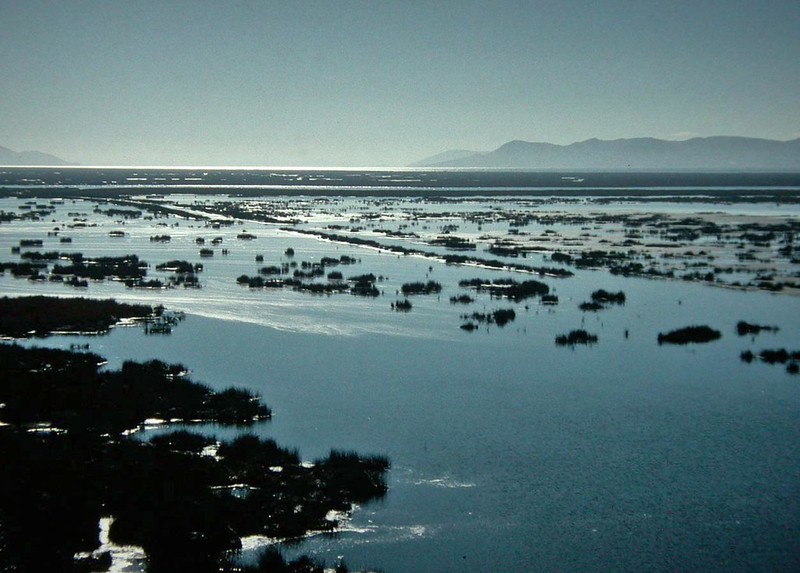
Saturday 16 August 1997 - Huatajata I had a pretty good sleep - after reducing the weight of blankets on the bed. I lay in bed waiting for sunrise. At the first sign of light I threw open the curtains to reveal the sun rising over Lake Titicaca in the distance with shallow marshes and much bird life in the foreground very calm and still.
Our journey today was first by bus along the south side of the lake to Copacabana in Bolivia. From there we took a chartered hydrofoil to Huatajata. It was a wonderful ride, made even better by a cloudless sky with warm sunshine. Saturday is market day and there were many people in town for the large market which is held at the soccer stadium. Some 150 varieties of potato are grown in the Puno area (Peru has a total of 450 varieties of potato) including the freeze-dried ones which will last for 70 years. Most of the transport in town was three-wheeled bicycles. Puno is well known for his brown Swiss type cheese. Before leaving town we took a look at the steamboat that was made in Kingston upon Hull, shipped to Arequippa and hauled up the railway in kit form to be assembled in Puno. It used to make connection between the trains at Puno and Guayaquil. It still operates for merchandise and was getting up steam while we were there, but no longer is it possible to travel in a sleeping berth across the lake. 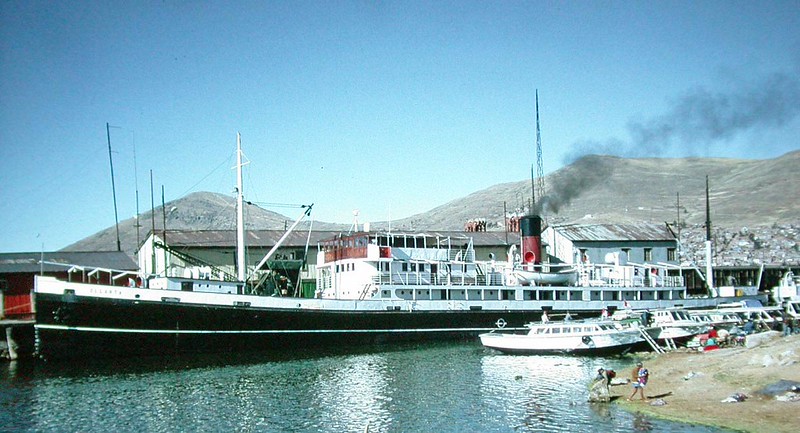 Ollanta 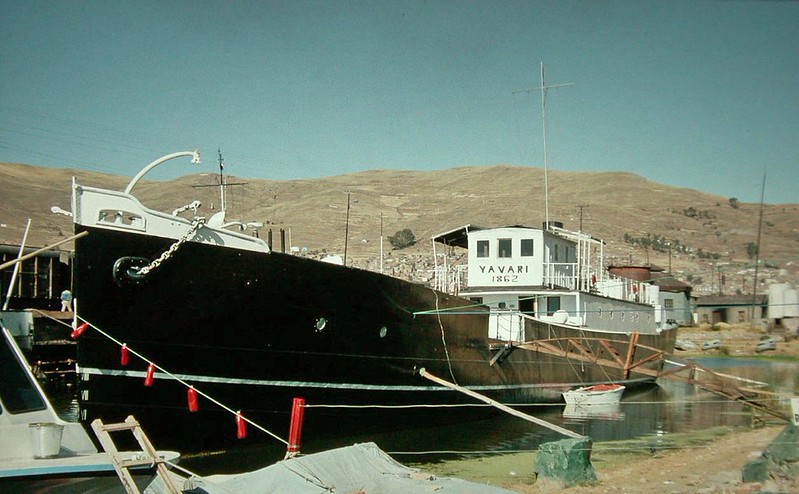 Yavari
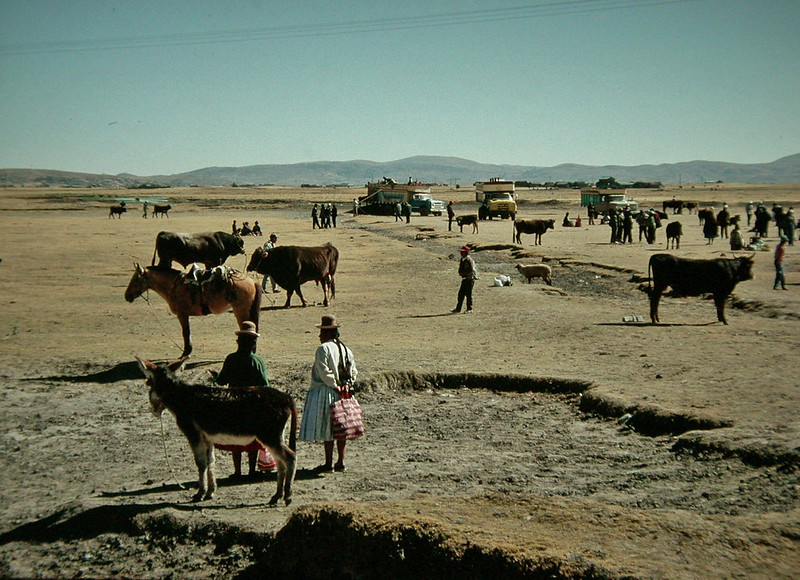
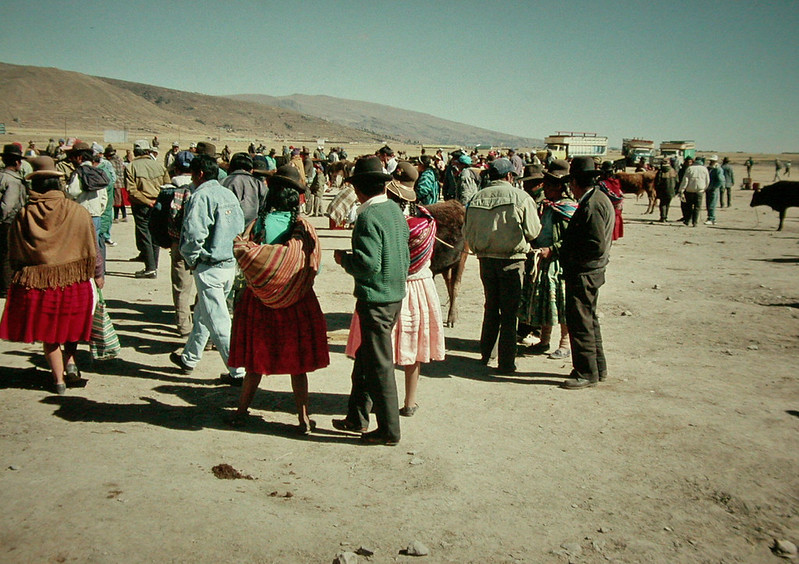
Lake Titicaca gets its name from"titi” which means puma and “caca” which means discolored. The lake is the shape of a puma with the head and mouth in Bolivia and the legs pointing towards Puno and Juli. It changes colour (blue to gray) with the weather. There are nine species of fish in the lake including catfish, kingfish and two types of trout, (salmon and rainbow) which have been introduced from Canadian stock. There is some trout farming. There is a great variety of birds including ducks, gulls, ibis, cormorants shore birds, spoonbills, heron and flamingos. There are 36 islands in the lake which are inhabited by fishermen. There are also a number of man-made reed islands. These have been inhabited by members of the Uros people for about a thousand years. There is a different local language, aymara, spoken here. People eat the white part of the reads but they no longer make the well-known reed boats except for tourists. It takes a month to build a reed boat as it does a wooden one. The difference is that a reed only lasts about a year while a wooden boat will last much longer. We visited the weekly cattle market at Acora. This is a wide flat area on the shores of the lake to which people come every Saturday to sell and to buy cows, bulls, llamas, pigs, alpacas, burros and sheep. I found the people friendly if you try to talk to them and were not intrusive with the camera. One woman threw cow dung at one of the party who was taking photos. Kids were flying kites made from a piece of polythene attached to a length of string. There was a great deal of discussion over the merits of each animal and bargaining was hard. When the deal is concluded they will drink pisco. In many cases the man will get so drunk that the woman has to carry him home and lead the animals at the same time. It is reputedly different in Bolivia where the women drink more than the men who have to carry the women home and lead the animals as well. The whole market was vibrant and the great thing was that we were the only foreigners there. As we were leaving we could hear a great commotion coming from a pickup truck where they were trying to load a sow and half a dozen piglets as well as the whole family.
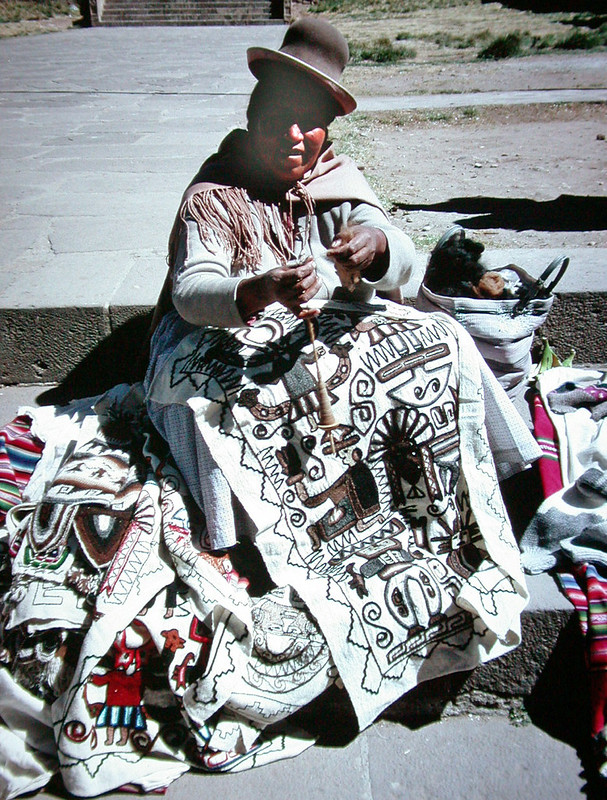
We stopped at Juli to look at the church. There were a number of women sitting on the steps spinning wool and selling cloths. We did a little bargaining for a cloth and she was happy to have me take a picture afterwards. We had to present ourselves individually to pass out of Peru and to get into Bolivia and there was a walk of about a hundred yards between the two posts. It was all very friendly but took a little while. I don't know what would stop people from just walking through.
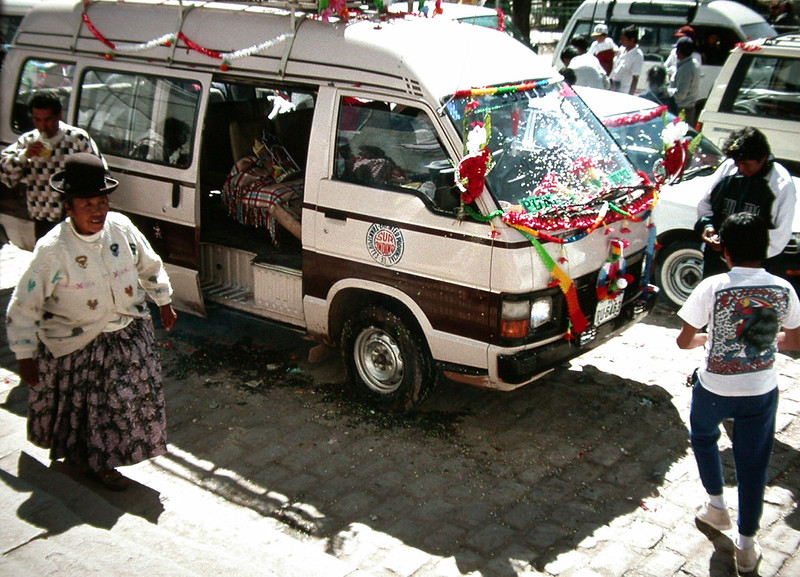
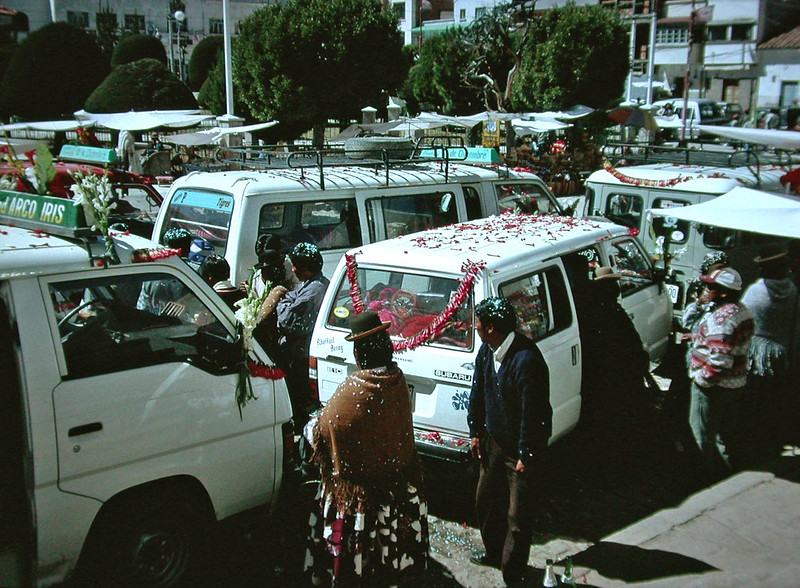
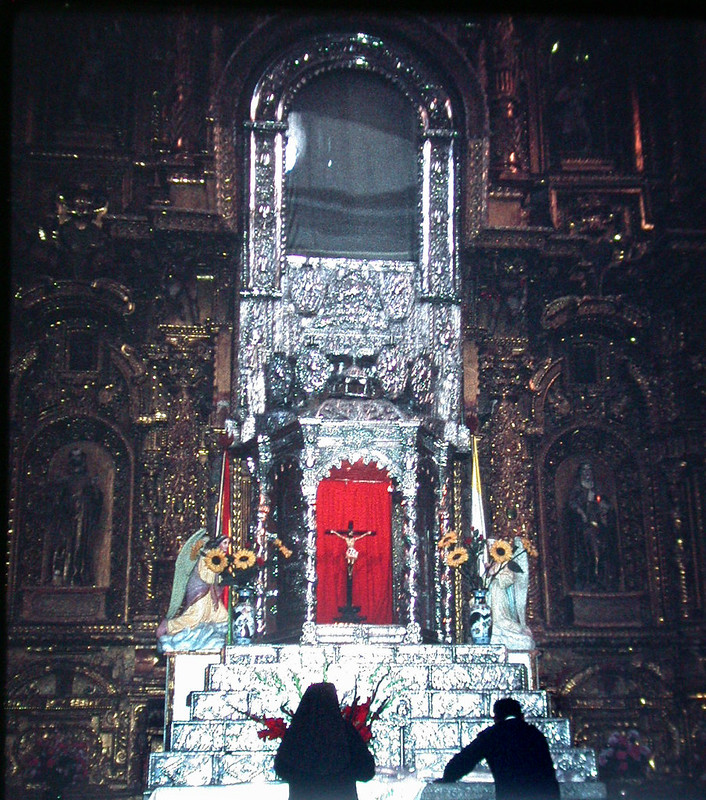
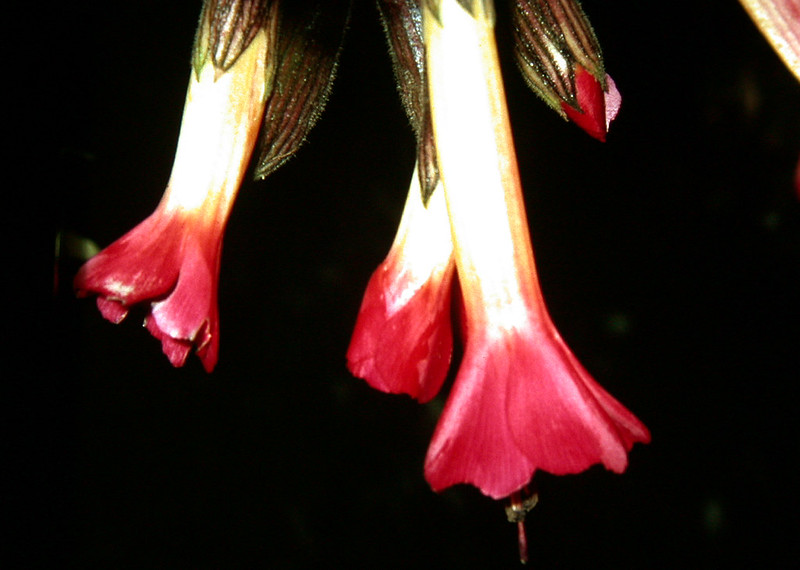
The town of Copacabana takes its name from an Indian word which means “into the blue” which refers to the colour of the lake. Other places with the same name get it from here. We had a soup of quinoia, which is like tapioca, followed by fried Kingfish which was good - no bones. Copacabana is known locally for his Moorish Cathedral which is the most important religious hrine in Bolivia. The whole place was garish as people bring their new vehicles here to be blessed. They are decorated with paper streamers and the owners buy a bottle of champagne which they fizz all over the vehicle, let off five crackers and cover it with confetti. There are lots of stalls selling all that is necessary and it seems that it is like this everyday. It was just a little galling to see the solid silver alter and contrast this with the beggars who lined the approach. In the cloister was a royal cantula bush in bloom. This is the Bolivian national flower and has the three colors of the Bolivian flag, green, yellow and red. These are also the Inca colors.
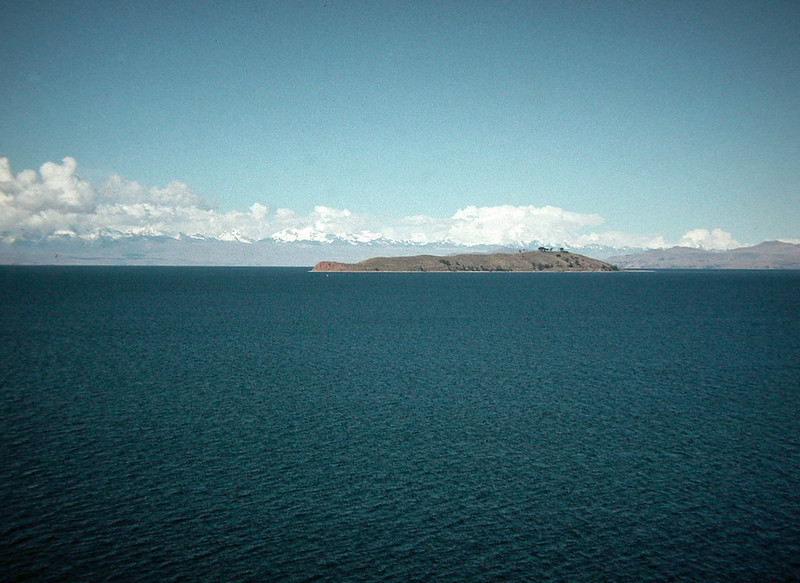
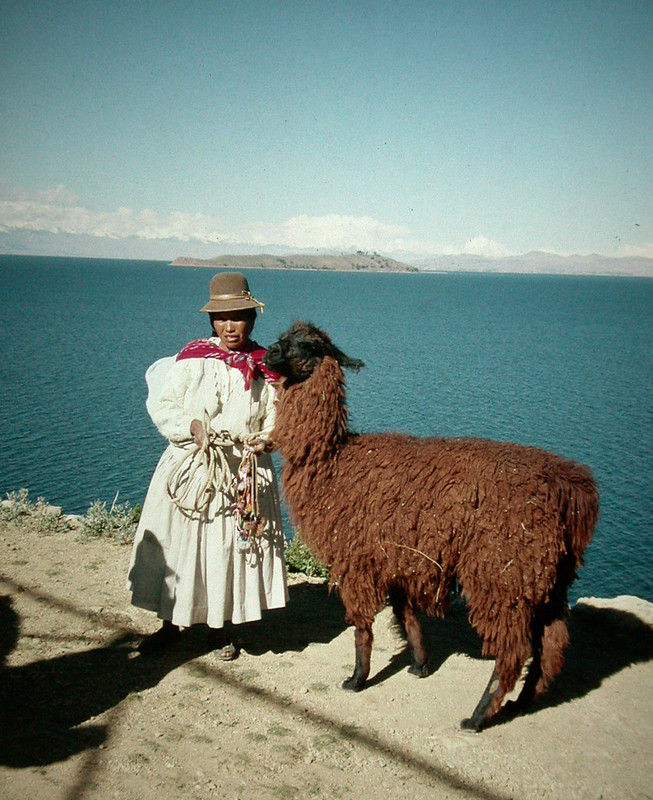
Copacabana As we made our way to the jetty we passed a man selling gasoline direct from a 25 gallon drum. The hydrofoil trip was good – after a false start when we were stopped by a Bolivian navy launch. We stopped at Sun Island where the locals were completely devoted to making money from tourists. I climbed the 208 steps to the top of the cliff, Quite a feat in this altitude. The view from the top is described as breathtaking - they were right. According to legend, the Inca empire was founded on these islands (Sun and Moon) when a golden rod was brought to earth by Manco Kapac and Mama Ocilo,( Son and Daughter of the Sun God - Inti) who was buried there. There are several ruins on both Islands supporting this legend. I paid a small fee to take the picture of the lady in costume with her llama called “Pancho”. Sun Island On the final stretch through the the estracho de Tiquina, we were treated to the local form of pisco, singani, with ginger ale. The strait is 3/4 of a mile wide and it divides the small lake Chucuito from the main one Huihamarca. There are two picturesque villages, San Pedro and San Pablo, which form the ports for a ferry service. Flat Indian boats ferry traffic, including buses and trucks, back and forth across the street. As
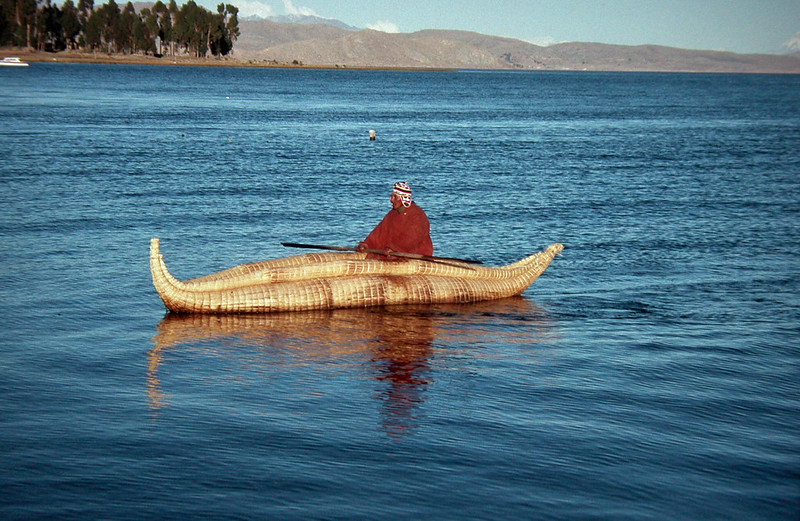
we approached the jetty for our hotel at Huatajata we were greeted by
a man in full native costume in a reed boat. He was placed in just
the right position for photography and was part of the hotel welcome
party. I was delighted to actually see a reed boat in use.
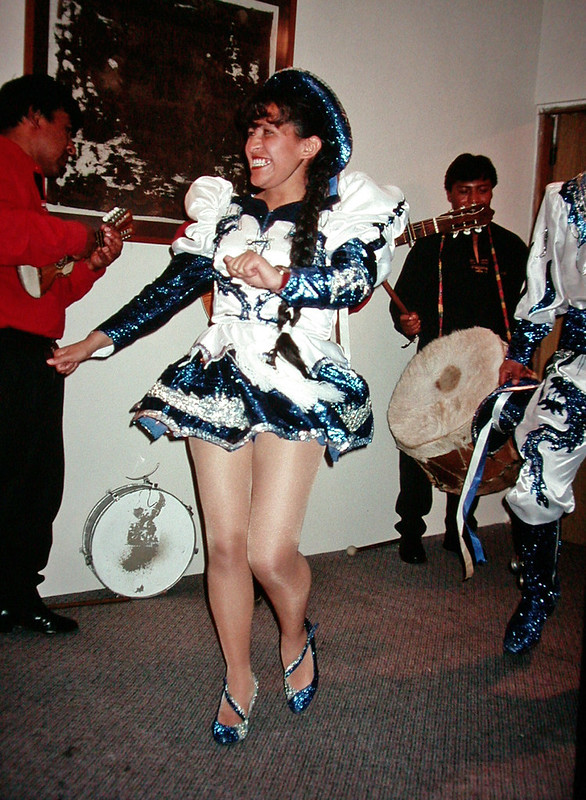
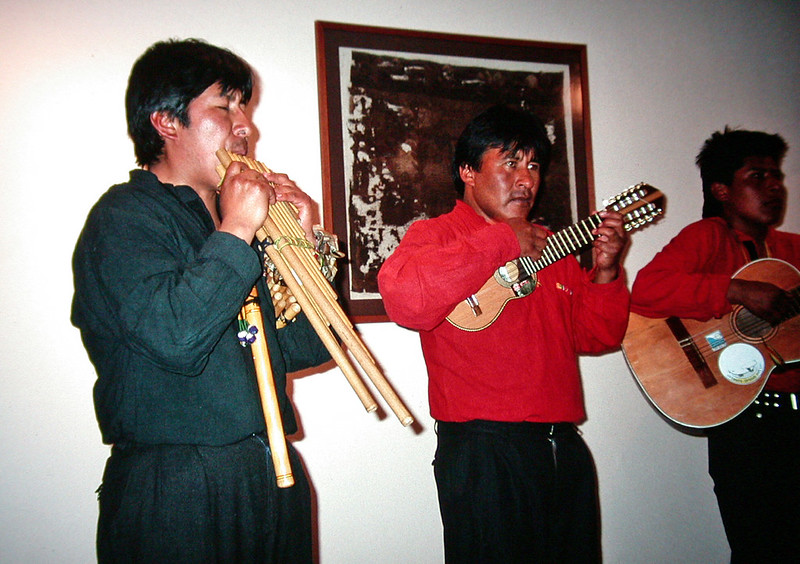
This evening the hotel put on a folk show for us. They played the obligatory “El Condor Pasa” but the dancers were local modern adaptations of traditional dances. The last one was very interesting as it was an adaptation of a tribal dance brought over from Africa with negro slaves who settled in the Bolivian jungle.
I tried lake trout which was very good with a red salmon color. The
hotel had asked for our orders while we were still on the hydrofoil.
But they didn't think to check this with where we were actually
sitting. A waiter would come out of the kitchen and walk around the
restaurant calling out what was on his plates. Everyone was served
eventually but the food was cold before it reached the table.
|